Finding the spots without expensive electronics — your eyes are the only tool you need.
Here’s the part of spring catfishing that no one talks about enough: where you stand matters more than what you cast. You can have the freshest bait, the sharpest hooks, and the most perfectly tied rig in the county. If you’re casting to the wrong 40 feet of bank, you’re not catching catfish. But walk 100 yards and find the right spot? Suddenly every cast has a real chance.
The good news: you don’t need a $2,000 fish finder to find catfish. The bank itself tells you everything you need to know, if you know what to look for.
The One Word That Explains All of It: Transition
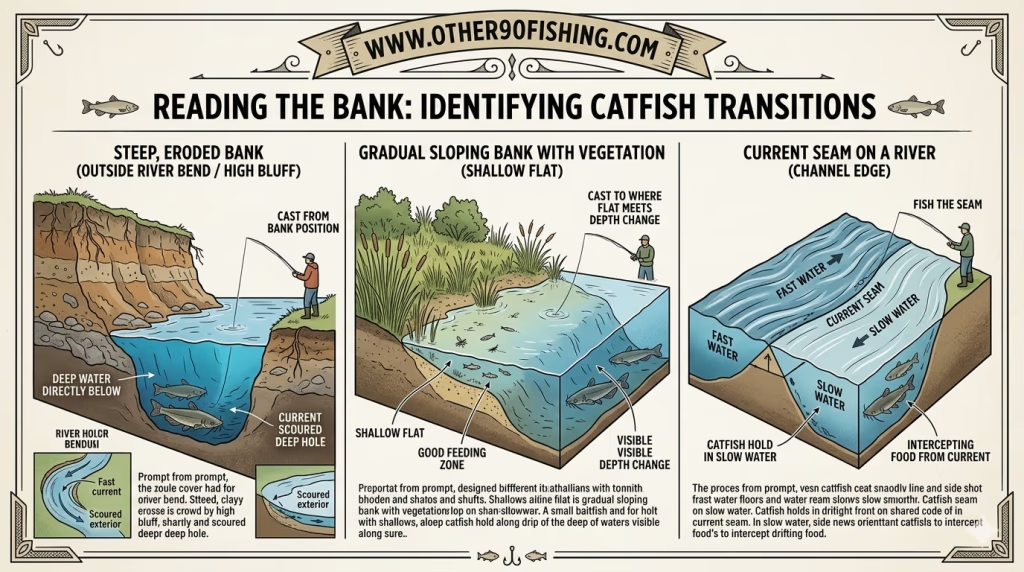
Every productive spring catfish spot has a depth transition — a place where shallow water meets deeper water nearby. Catfish in spring are moving from deep winter holds toward shallow feeding areas. They stage at the transition edge, the slope or lip where depth changes from 8–15 feet to 3–6 feet. That’s where they’re feeding. That’s where your bait needs to be.
From the bank, you can identify these transitions by reading the bank topography and the water surface:
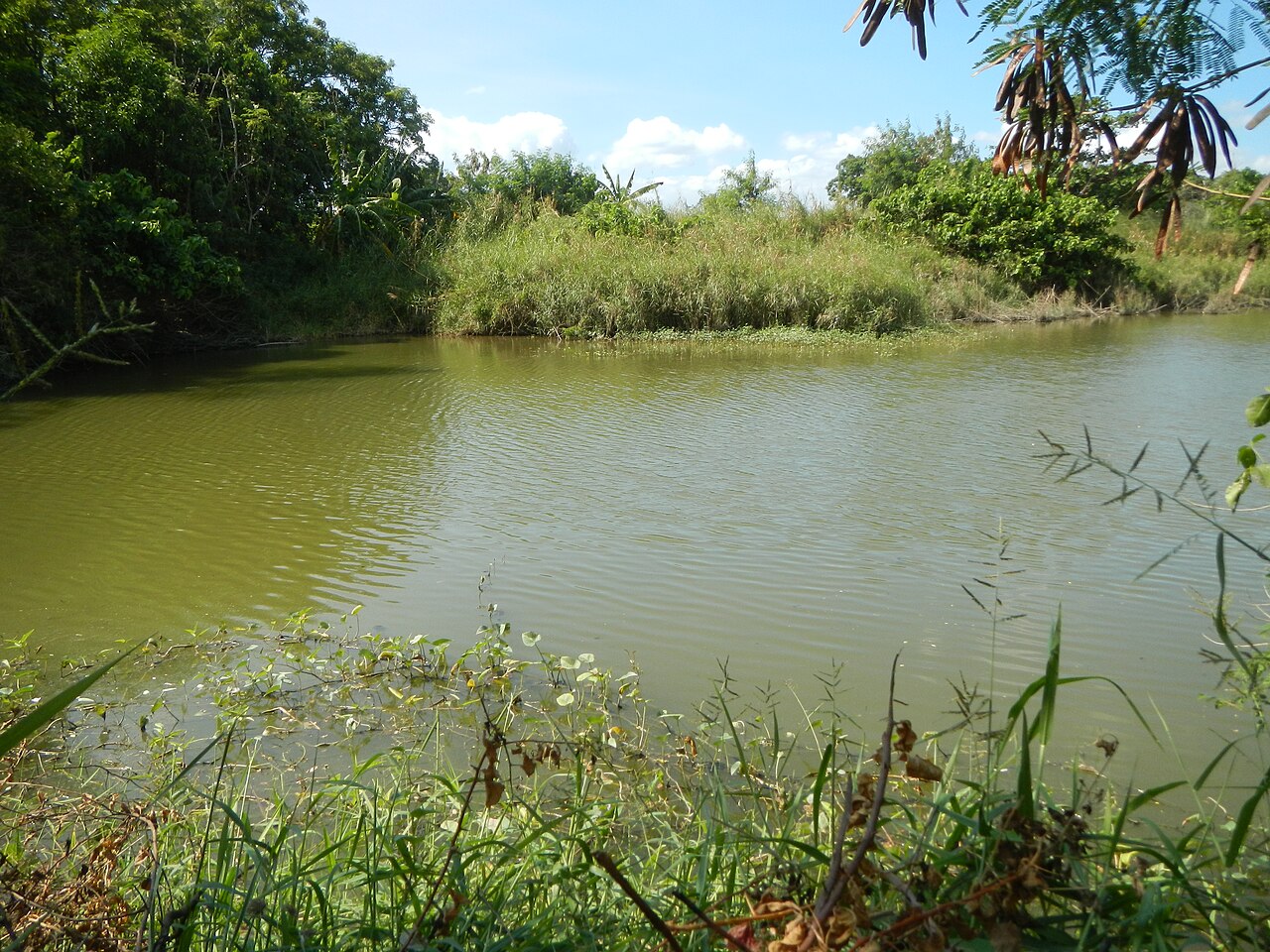
- Steep, eroded bank: Deep water directly below. This is an outside river bend or a high bluff shoreline — the current scoured a deep hole here. Cast from this bank position.
- Gradual sloping bank with vegetation: Shallow flat. Good feeding zone. Cast to where the flat meets any visible depth change.
- Current seam on a river: The visible line where fast water meets slow water marks the channel edge. Catfish hold in the slow water, intercepting food from the current. Fish the seam.
Bank Features Worth Fishing This Spring
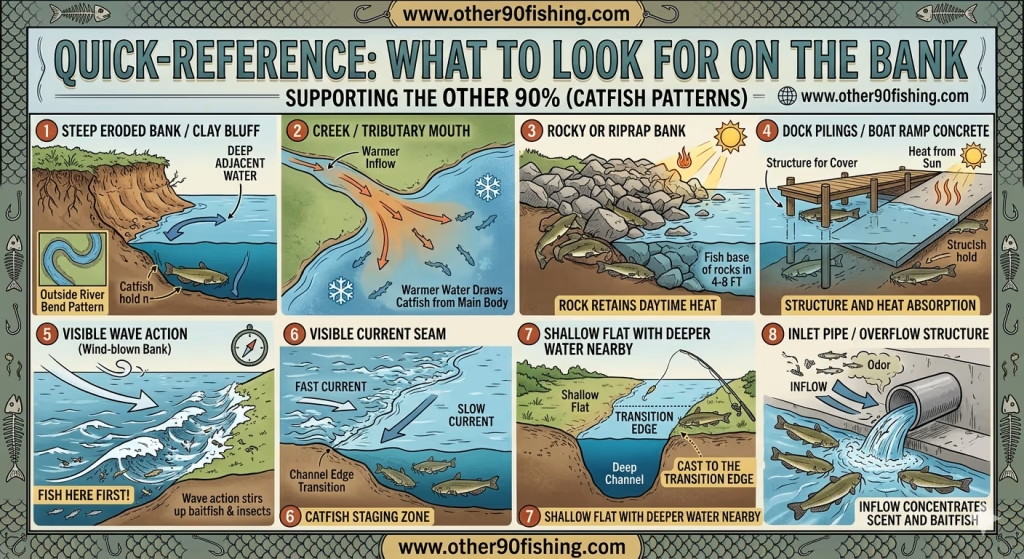
- Steep eroded bank or clay bluff → Deep adjacent water; outside river bend pattern
- Creek or tributary mouth → Warmer water drawing catfish from the main body
- Rocky or riprap bank → Rock retains daytime heat; fish base of rocks in 4-8 ft
- Dock pilings or boat ramp concrete → Structure and heat absorption
- Visible wave action on one side of a lake → Wind-blown bank; fish here first
- Visible current seam on a river → Channel edge transition; catfish staging zone
- Shallow flat with deeper water visible nearby → Cast to the transition edge
- Inlet pipe or overflow structure → Inflow concentrates scent and baitfish
Creek Mouths and Tributary Inlets
Think of creek mouths as catfish highways. In spring, creek water warms faster than the main body of the lake or river — it’s shallower and more exposed to sunlight. That slightly warmer water acts like a magnet, drawing catfish from the colder main body toward the tributary mouth. Where the creek meets the main water is also where baitfish concentrate. Cast to the channel inside the creek mouth, or just outside it where the two water bodies meet.
The Wind-Blown Bank: Spring’s Most Underrated Spot
If you’re fishing a lake or reservoir and the wind is blowing in your face, you’re in the right place. Wind-driven surface current pushes warm surface water, floating insects, and baitfish toward the downwind bank — which is where you’re standing. That bank is also 1–3°F warmer than the upwind side on a sunny spring afternoon.
The wave action on a wind-blown bank stirs up bottom invertebrates and oxygenates the shallows — both of which trigger feeding activity. Always note wind direction when you arrive at a lake or reservoir, and choose your bank position accordingly.
Riprap Banks and Rocky Shorelines
Rock is a thermal battery. On a sunny spring afternoon, riprap banks and rocky shorelines absorb and retain heat long after the sun moves. The water immediately adjacent to a sun-warmed rock bank can be several degrees warmer than surrounding water. Catfish, drawn to that warmth and the baitfish attracted to it, hold tight to riprap in spring.
Cast to the base of the rock structure, targeting 3–8 ft of water. The transition between rock and soft bottom at the base of the riprap is a prime feeding zone.
The Simple Walk-the-Bank Routine
Before You Set Up: The 10-Minute Bank Read
- Don’t fish the first accessible bank you reach. Walk 50-100 yards of shoreline first.
- Note wind direction. Choose the downwind bank on lakes and reservoirs.
- Look for the features in the checklist above. Prioritize spots with multiple features (a riprap bank near a creek mouth, or a dock adjacent to a depth transition).
- Check bank topography: steep = deep adjacent water, gradual = shallow flat, both nearby = transition zone.
- Once you identify the best feature, set up there. Cast to the transition edge, not the open center of the bank.
Time investment: 10 minutes of bank reading dramatically increases your probability of catching fish vs. casting randomly.
The bank doesn’t lie. It tells you exactly where the deep water is, where the warm water concentrates, and where the catfish are staging. You just have to know how to read it. Now you do.
Now that you know where to stand, let’s talk about how to rig up.
Read Part 3: Keep It Simple: The Only 2 Rigs You Need for Spring Catfish